
Knowledge Today. Comfort Tomorrow.
Insulation Guide
Learn about different types of insulation, how they work, and how they can help improve your home.
Explore By Type

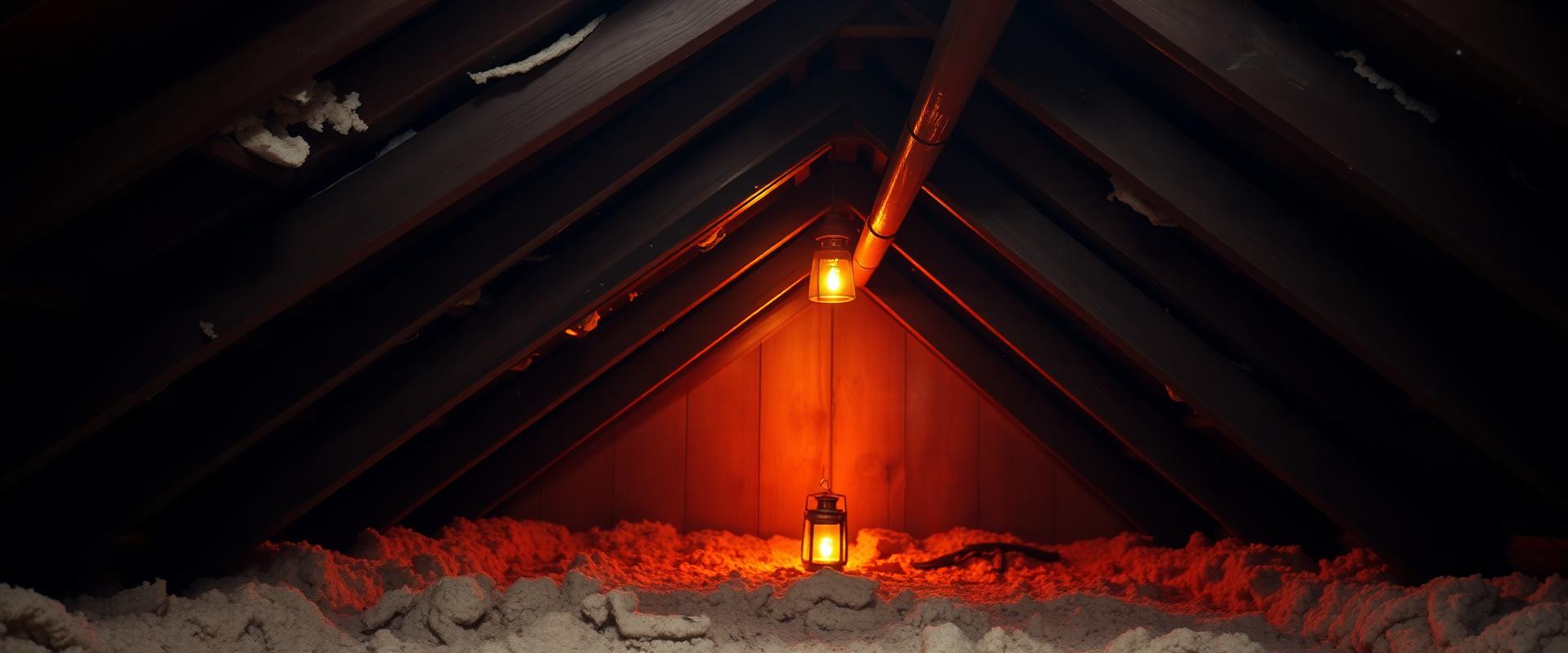
Attic Insulation
Heat rises, which makes the attic one of the largest areas of heat loss in many homes. When attic insulation is thin, compressed or unevenly distributed, warm air can escape through the roofline in winter and heat can build up in summer.
Learn More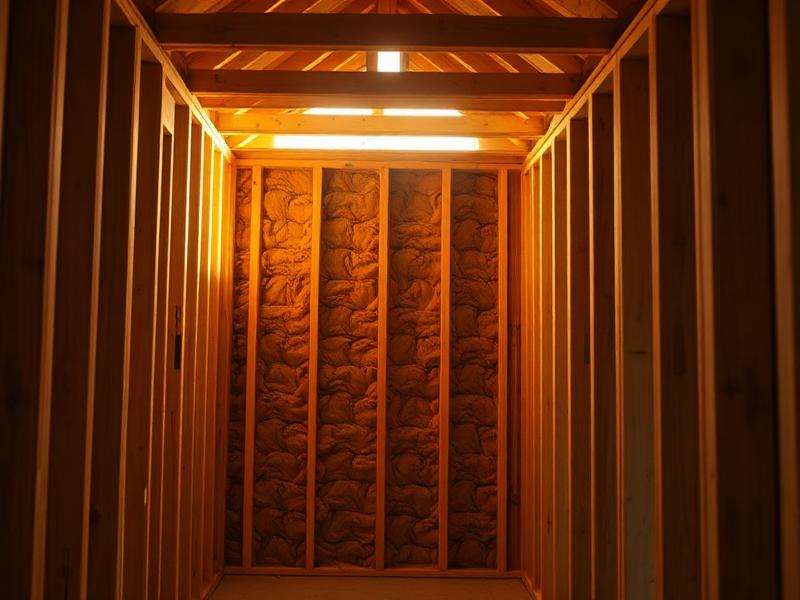
Wall Insulation
Exterior walls make up the largest surface area of most homes. Insulation inside those wall cavities slows heat transfer, which can help rooms hold their temperature longer. Older homes may have little or no wall insulation.
Learn More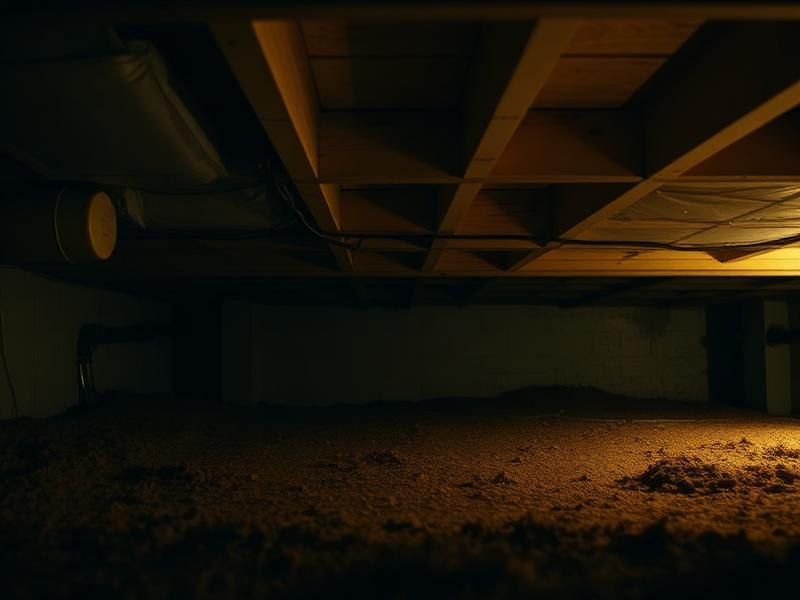
Crawl Space Insulation
Cold, vented crawl spaces can pull heat out of the floors above them. Crawl spaces also involve moisture and ventilation considerations, so a professional can assess conditions before recommending anything.
Learn More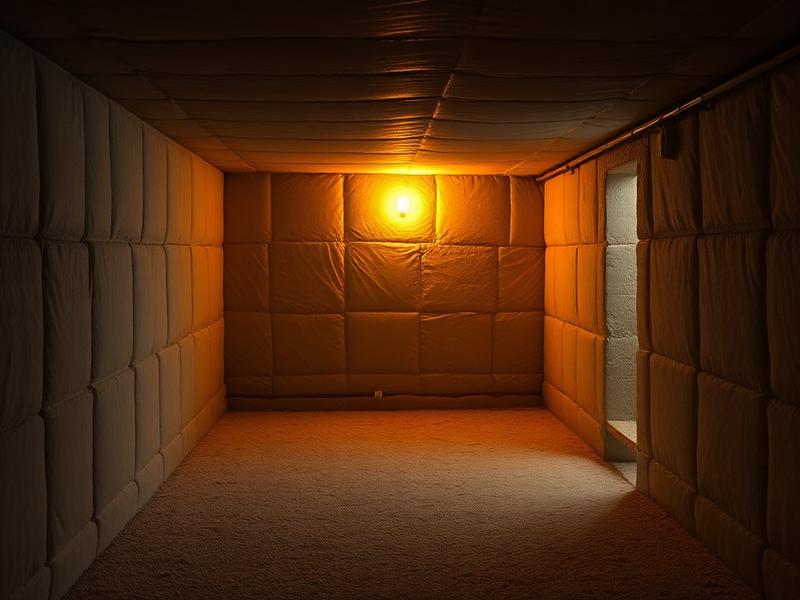
Basement Insulation
Basements sit against cold soil and often lose heat through foundation walls and rim joists. Insulating these areas can help make a lower level feel more usable year-round.
Learn More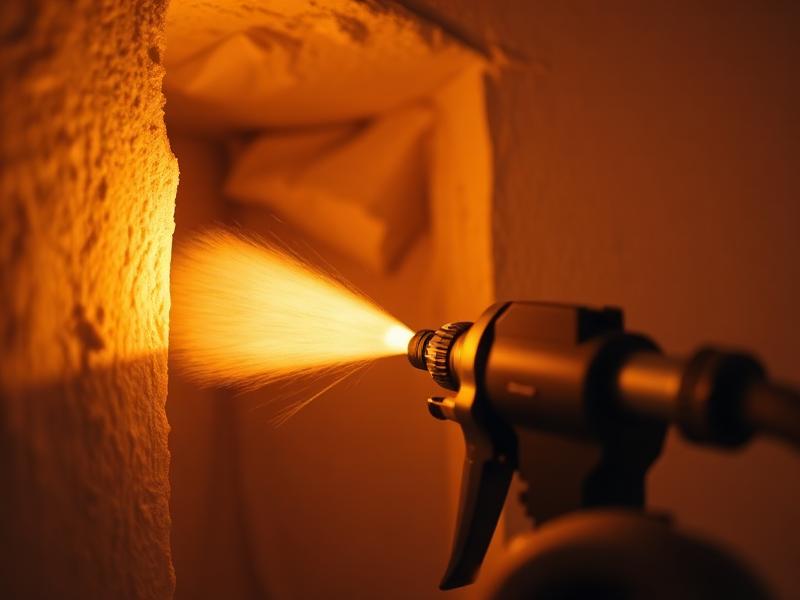
Spray Foam Insulation
Spray foam is applied as a liquid that expands to fill a cavity. It's commonly used in attics, rim joists and hard-to-reach areas. Whether it's appropriate for a home depends on the structure and project goals.
Learn More
Air Sealing
Even well-insulated homes can leak conditioned air through gaps around ductwork, attic hatches, recessed lighting and framing joints. Air sealing addresses those leaks so insulation can perform as intended.
Learn MoreNot Sure What You Need?
These are common signs your home could benefit from better insulation.
Still not sure? That's okay. Answer a few questions and we'll connect you with a pro who can help you figure it out.